
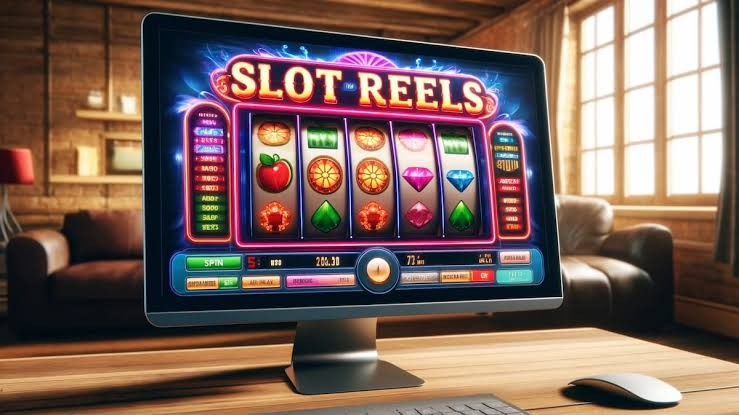

Slot machines are among the most recognizable and widely played games in the casino industry. Their colorful designs, spinning reels, entertaining sound effects, and variety of themes make them appealing to players with different levels of experience. Although modern slot games may look complicated because of their graphics and special features, their basic structure is relatively easy to understand. Learning how reels, symbols, paylines, random number generators, and bonus features work can help players understand the mechanics behind these games and make more informed entertainment choices.
Whether someone is exploring traditional three-reel slots or modern video slots, understanding the different components provides a clearer picture of how each game operates. This article explains the essential elements of slot machines, including their technology, symbols, gameplay features, and payout systems.
Understanding the Reels
Reels are the central visual components of a slot machine. They are the vertical sections that display different symbols when a game is played. Traditional slot machines generally featured three reels, while modern video slots commonly offer five reels or more.
When a player activates a spin, the reels appear to rotate before stopping at different positions. The symbols displayed on the reels determine whether a particular combination qualifies for a payout.
Traditional mechanical slot machines used physical rotating reels. Each reel contained a limited selection of symbols arranged in a particular sequence. Modern digital slot machines, however, use computer software to create the appearance of spinning reels. This allows developers to introduce more symbols, unusual reel configurations, and creative animations.
Different games can have different reel structures. For example, some use three reels and one central payline, while others feature five reels with several rows of symbols. There are also modern games with expanding reels, cascading symbols, and unusual grid arrangements.
The Role of Symbols in Slot Games
Symbols are the images displayed on slot machine reels. They are important because they determine winning combinations and activate various game features. Every slot game has its own collection of symbols, usually designed around a particular theme.
Common slot machine symbols include:
- Traditional symbols: Fruits, bells, lucky sevens, and other classic images frequently appear in traditional slot games.
- Wild symbols: These symbols can substitute for certain regular symbols to help complete winning combinations.
- Scatter symbols: Scatter symbols can activate bonus rounds or free spins when the required number appears.
- Bonus symbols: These symbols may unlock special features, interactive rounds, or additional gameplay opportunities.
- Multiplier symbols: Some games include symbols that increase the value of eligible winning combinations.
The value of each symbol depends on the game’s specific paytable. High-value symbols generally offer larger potential payouts than ordinary symbols, although the exact amounts and conditions vary between games.
Understanding the different symbols is useful because it helps players recognize which combinations matter and which features may become available during gameplay.
What Are Paylines?
Paylines are patterns across the reels that determine which symbol combinations qualify for a win. In traditional slot machines, there was often just one horizontal payline running through the middle of the reels.
Modern slot games offer much more variety. Some have a fixed number of paylines, while others allow players to select how many paylines they want to activate. Certain games also use alternative systems, such as ways-to-win mechanics, where matching symbols on adjacent reels can create winning combinations without following traditional lines.
For example, a five-reel slot might include paylines running horizontally, diagonally, or in different zigzag patterns. If the required symbols appear in the correct positions along an active payline, the game may award a payout according to its paytable.
Players should always check the payline structure before starting a game. Understanding how winning combinations are evaluated makes the gameplay easier to follow and prevents confusion about why certain symbol arrangements do or do not produce a payout.
How Random Number Generators Work
One of the most important technologies behind modern slot machines is the Random Number Generator, commonly known as an RNG.
An RNG is a computer-based system designed to generate unpredictable numerical results. In digital slot machines, the RNG determines the outcome of each spin. The symbols displayed on the reels correspond to the result generated by this system.
This means that every spin is independent of previous spins. A machine does not need to produce a winning combination simply because it has delivered several losing results. Similarly, a recent win does not guarantee that the next spin will be unsuccessful.
The RNG operates continuously in the background, generating numbers even when nobody is actively playing. When a player presses the spin button, the system uses the relevant result to determine the displayed combination.
Regulated gaming operators generally rely on certified software and testing procedures to verify that their games operate according to established technical standards. These systems are designed to ensure that outcomes are determined randomly rather than through predictable sequences.
Understanding RNG technology is important because it explains why slot machine results cannot be reliably predicted through previous spins, patterns, or timing strategies.
Exploring Modern Slot Machine Features
Modern slot games are considerably more advanced than traditional mechanical machines. Developers include different features to make games visually interesting and introduce additional gameplay elements.
Some of the most common features include:
Free Spins: Free spins allow players to receive additional spins without placing a separate base-game wager for each spin. They are usually activated by landing a specified number of scatter symbols.
Wild Reels: Certain games feature reels that can become completely covered with wild symbols. These features may increase the possibility of forming qualifying combinations.
Multipliers: Multipliers increase the value of eligible wins. For instance, a 2x multiplier doubles a qualifying payout, while a 5x multiplier multiplies it by five, subject to the game’s rules.
Cascading Reels: In cascading slot games, winning symbols disappear after a qualifying combination. New symbols then fall into the empty spaces, potentially creating another winning combination during the same round.
Bonus Rounds: Bonus rounds introduce special gameplay activities, such as selecting objects, opening hidden prizes, or playing on a separate bonus screen.
Progressive Jackpots: Some slot games contribute a portion of eligible wagers to a shared jackpot. The prize can increase over time until a qualifying event triggers a payout. Jackpot conditions vary significantly between games.
These features make modern slots more varied, but they do not remove the random nature of the underlying game outcomes.
Understanding RTP and Volatility
Two additional terms that frequently appear in slot game descriptions are Return to Player (RTP) and volatility. Both help explain different aspects of a game’s mathematical design.
RTP represents the theoretical percentage of total wagers that a slot game is designed to return to players over an extended period. For example, a game with a theoretical RTP of 96% is designed to return an average of 96 units for every 100 units wagered over a sufficiently large number of game rounds.
However, RTP does not guarantee that an individual player will receive 96% of their money back. Actual results can differ significantly because every spin is random.
Volatility describes how frequently and how significantly a game may produce payouts.
- Low-volatility slots: Generally feature more frequent but potentially smaller payouts.
- Medium-volatility slots: Offer a balance between payout frequency and potential payout size.
- High-volatility slots: May produce less frequent wins, with the possibility of larger payouts.
Neither RTP nor volatility guarantees a particular outcome. Players should consider these characteristics as general information about game design rather than predictions of personal results.
How to Read a Slot Machine Paytable
A paytable explains the rules and payout structure of a particular slot game. It is one of the most useful resources for understanding how a machine works.
Most modern slots include a paytable accessible through an information button or game menu. It typically explains the value of individual symbols, winning combinations, special symbol functions, and bonus round requirements.
Before playing, it is worth reviewing the following details:
- The number of reels and rows.
- The available paylines or ways-to-win system.
- The value of different symbol combinations.
- How wild and scatter symbols function.
- The conditions for triggering bonus rounds.
- The game’s RTP and volatility, where disclosed.
- The minimum and maximum permitted wagers.
Reviewing these details helps players understand the rules before committing money to a game. It also makes it easier to compare different slot titles based on their mechanics and features.
Choosing Slot Games and Playing Responsibly
With thousands of slot titles available, choosing a game can initially seem overwhelming. Some players prefer traditional fruit machines because of their simple layouts, while others enjoy video slots featuring elaborate graphics, storytelling, and multiple bonus features.
When exploring online gaming platforms, players may come across different brands, game collections, and account access options. For example, the phrase süperbahis giriş may appear in discussions or searches related to accessing a particular gaming platform. Regardless of the platform, players should always verify that they are using an official website, understand its terms and conditions, and check the applicable licensing and regulatory information before participating.
Responsible gaming should remain a priority. Slot machines are games of chance, and there is no guaranteed method of winning. Players should establish a spending limit, avoid using money intended for essential expenses, and never chase losses by increasing their wagers. It is also sensible to take breaks and treat gaming as entertainment rather than a source of income.
Age restrictions and local gambling laws should always be respected. Anyone who finds it difficult to control their gambling activity should consider using available deposit limits, time restrictions, self-exclusion tools, or professional support services.
Conclusion
Slot machines combine simple gameplay mechanics with sophisticated technology to create an entertaining gaming experience. Reels display the symbols, paylines determine qualifying combinations, and random number generators establish the outcomes of individual spins. Meanwhile, wild symbols, scatters, free spins, multipliers, and bonus rounds introduce additional features that make modern slot games more diverse.
Understanding RTP, volatility, and paytables also helps players learn how different games are structured. Although these elements provide useful information, they cannot predict future results or guarantee winnings.
Ultimately, learning how slot machines work allows players to approach these games with better knowledge and realistic expectations. By understanding the mechanics, reviewing the rules, and maintaining responsible gaming habits, players can make more informed decisions when exploring traditional and modern slot machines.